




Fuel Level Monitoring
The Fuel Level Monitoring module is designed to provide accurate and real-time monitoring of fuel levels within vehicles, machinery, or storage tanks. By integrating advanced sensors and telemetry systems, this module offers comprehensive insights into fuel usage, consumption rates, and remaining fuel levels.
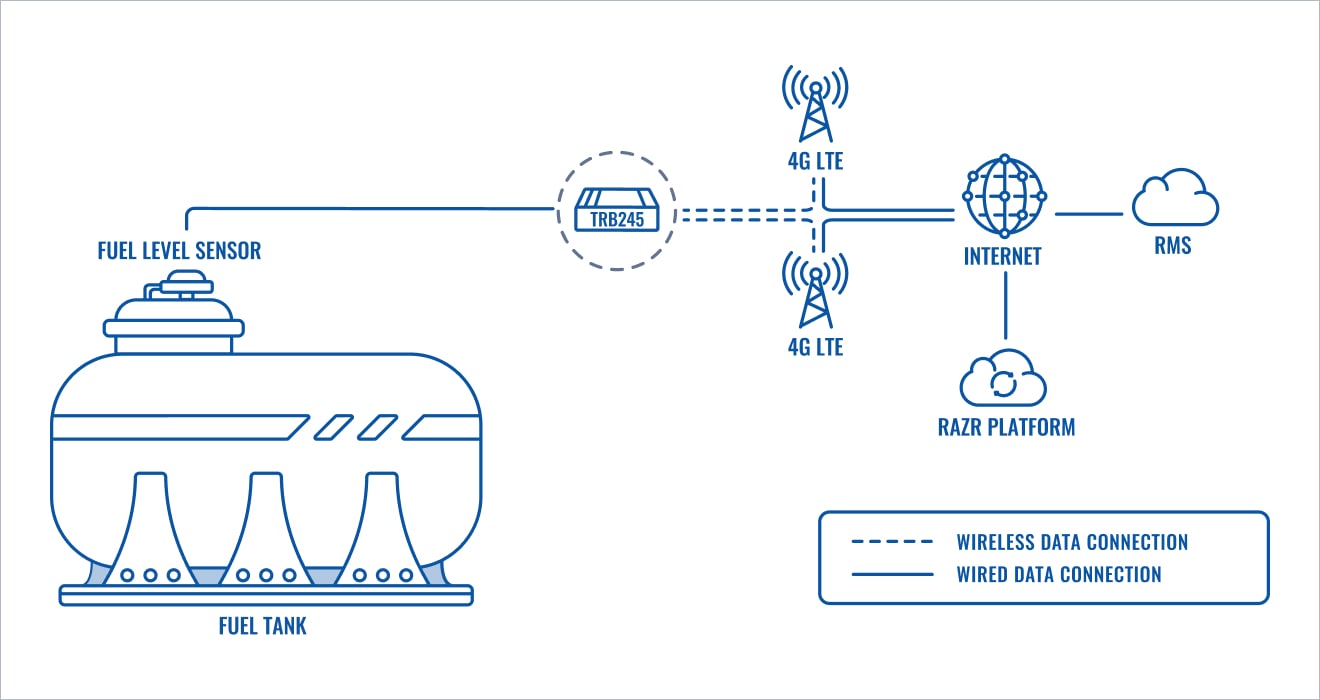
The Fuel Level Monitoring module is designed to provide accurate and real-time monitoring of fuel levels within vehicles, machinery, or storage tanks. By integrating advanced sensors and telemetry systems, this module offers comprehensive insights into fuel usage, consumption rates, and remaining fuel levels. Whether managing a fleet of vehicles, monitoring fuel inventory, or optimizing fuel efficiency, the Fuel Level Monitoring module is indispensable for ensuring operational efficiency, cost-effectiveness, and timely refueling management.
Devices Compatible with Fuel Level Monitoring Module
Here are the devices that support the integration of the fuel level monitor module:
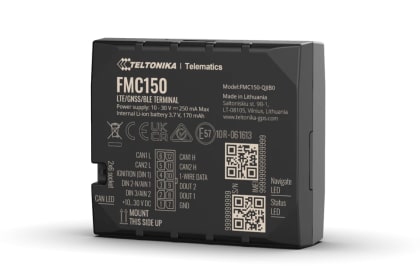
Teltonika FMC150 for Fleet Intelligence
The FMC150 is a premium device (L65 x H56.6 x W20.6 mm) which is fitted in a non-intrusive manner to the vehicle. It includes a GPS and an accelerometer which enables the monitoring of the vehicle and how it is driven. In addition, the FMC150 collects data directly from the vehicle such as fuel level, engine speed and distance traveled which enables advanced management. The FMC150 is used within the Efficiency, Safety, Compliance and Sustainability solutions.
Read MoreImportance of Fuel Level Monitoring
Fuel level monitoring is of paramount importance in fleet management and vehicle operation for several reasons:

Cost Control: Monitoring fuel levels allows fleet managers to track fuel consumption accurately and identify potential inefficiencies. By managing fuel usage more effectively, organizations can reduce fuel costs and improve their bottom line.
Preventing Fuel Theft: Fuel theft is a significant concern for fleet operators. Monitoring fuel levels in real-time enables the detection of unauthorized fuel siphoning or theft. This helps prevent losses and ensures that fuel is used for legitimate purposes.
Optimizing Route Planning: Knowing the fuel levels of vehicles allows for better route planning and optimization. Fleet managers can choose routes that minimize fuel consumption and avoid unnecessary detours or idling, leading to cost savings and improved efficiency.
Predictive Maintenance: Fuel level monitoring can provide insights into the health of the vehicle's fuel system. Sudden drops in fuel levels or irregularities in fuel consumption may indicate issues such as leaks or engine problems, allowing for proactive maintenance to prevent breakdowns and costly repairs.
Enhancing Safety: Running out of fuel can pose safety risks, especially in remote or hazardous locations. Fuel level monitoring helps ensure that vehicles always have enough fuel to reach their destinations safely, reducing the likelihood of accidents or stranded vehicles.
Fuel Level Monitoring in Fleeto Management System
Below are the images that showcase the fuel level monitoring system in Fleeto
Fuel Level Monitoring Report
The Fuel Level Monitoring Report provides comprehensive insights into fuel usage, consumption rates, and remaining fuel levels.
Related Modules
Our other modules that comprise our fleet management system.


Temperature & Humidity Monitor
The Temperature and Humidity Monitor module is designed to provide accurate and continuous monitoring of environmental conditions within a specified area. It combines sensors for temperature and humidity measurement, offering real-time data insights to ensure optimal comfort, safety, and preservation of assets.
Use Cases
Here are some use cases for the Fuel Level Monitoring module within Fleeto's system:
Commercial Trucks and Delivery Vans
Fleet managers can use fuel level monitoring to analyze fuel consumption patterns and identify opportunities to optimize delivery routes, minimizing fuel usage and reducing operating costs.

Public Transit Buses
Fuel level monitoring allows transit agencies to assess fuel consumption across their bus fleet and identify opportunities for improving fuel efficiency through driver training programs and route optimization strategies.

Construction and Utility Vehicles
Contractors and utility service providers can use fuel level monitoring to track fuel consumption for construction equipment and utility vehicles, enabling accurate cost estimation for projects and optimizing fuel usage to stay within budget constraints.
Emergency Response Vehicles
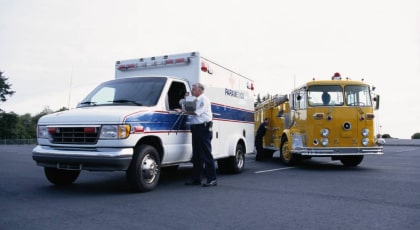
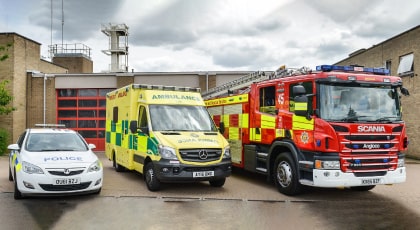
Fuel level monitoring ensures that emergency response vehicles, such as ambulances and fire trucks, are adequately fueled and ready for rapid deployment during emergencies, minimizing response times and potentially saving lives.

partnership with